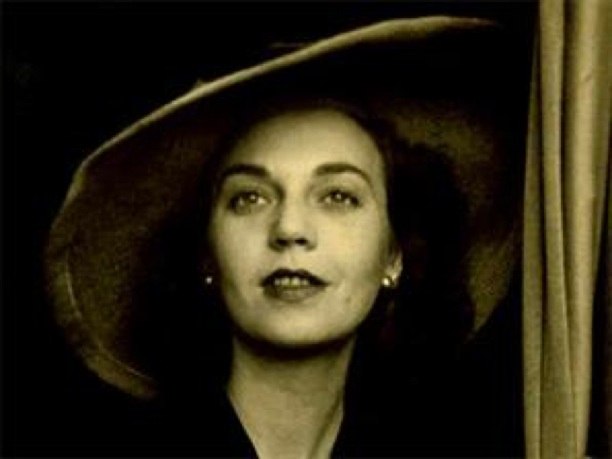
Imagem daqui
She would not say of any one in the world now that they were this or were that. She felt very young; at the same time unspeakably aged. She sliced like a knife through everything; at the same time was outside, looking on.She had a perpetual sense, as she watched the taxi cabs, of being out, out, far out to sea and alone; she always had the feeling that it was very, very dangerous to live even one day. Not that she thought herself clever, or much out of the ordinary. How she had got through life on the few twigs of knowledge Fräulein Daniels gave them she could not think. She knew nothing; no language, no history; she scarcely read a book now, except memoirs in bed; and yet to her it was absolutely absorbing; all this; the cabs passing; and she would not say of Peter, she would not say of herself, I am this, I am that.
Her only gift was knowing people almost by instinct, she thought, walking on. If you put her in a room with some one, up went her back like a cat's; or she purred. Devonshire House, Bath House, the house with the china cockatoo, she had seen them all lit up once; and remembered Sylvia, Fred, Sally Seton — such hosts of people; and dancing all night; and the waggons plodding past to market; and driving home across the Park. She remembered once throwing a shilling into the Serpentine. But every one remembered; what she loved was this, here, now, in front of her; the fat lady in the cab. Did it matter then, she asked herself, walking towards Bond Street, did it matter that she must inevitably cease completely; all this must go on without her; did she resent it; or did it not become consoling to believe that death ended absolutely? but that somehow in the streets of London, on the ebb and flow of things, here, there, she survived, Peter survived, lived in each other, she being part, she was positive, of the trees at home; of the house there, ugly, rambling all to bits and pieces as it was; part of people she had never met; being laid out like a mist between the people she knew best, who lifted her on their branches as she had seen the trees lift the mist, but it spread ever so far, her life, herself. But what was she dreaming as she looked into Hatchards' shop window? What was she trying to recover? What image of white dawn in the country, as she read in the book spread open:
Fear no more the heat o' the sun
Nor the furious winter's rages.
This late age of the world's experience had bred in them all, all men and women, a well of tears. Tears and sorrows; courage and endurance; a perfectly upright and stoical bearing. Think, for example, of the woman she admired most, Lady Bexborough, opening the bazaar.
There were Jorrocks' Jaunts and Jollities; there were Soapy Sponge and Mrs. Asquith's Memoirs and Big Game Shooting in Nigeria, all spread open. Ever so many books there were; but none that seemed exactly right to take to Evelyn Whitbread in her nursing home. Nothing that would serve to amuse her and make that indescribably dried-up little woman look, as Clarissa came in, just for a moment cordial; before they settled down for the usual interminable talk of women's ailments. How much she wanted it — that people should look pleased as she came in, Clarissa thought and turned and walked back towards Bond Street, annoyed, because it was silly to have other reasons for doing things. Much rather would she have been one of those people like Richard who did things for themselves, whereas, she thought, waiting to cross, half the time she did things not simply, not for themselves; but to make people think this or that; perfect idiocy she knew (and now the policeman held up his hand) for no one was ever for a second taken in. Oh if she could have had her life over again! she thought, stepping on to the pavement, could have looked even differently! She would have been, in the first place, dark like Lady Bexborough, with a skin of crumpled leather and beautiful eyes. She would have been, like Lady Bexborough, slow and stately; rather large; interested in politics like a man; with a country house; very dignified, very sincere. Instead of which she had a narrow pea-stick figure; a ridiculous little face, beaked like a bird's. That she held herself well was true; and had nice hands and feet; and dressed well, considering that she spent little. But often now this body she wore (she stopped to look at a Dutch picture), this body, with all its capacities, seemed nothing — nothing at all. She had the oddest sense of being herself invisible, unseen; unknown; there being no more marrying, no more having of children now, but only this astonishing and rather solemn progress with the rest of them, up Bond Street, this being Mrs. Dalloway; not even Clarissa any more; this being Mrs. Richard Dalloway.
Mrs. Dalloway
Virginia Woolf
CRW Publishing Limited
2003